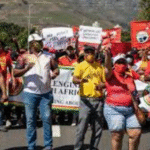
I first understood what the Trade Union Congress was when I walked into a hall filled with union banners and delegates quietly swapping notes before a vote. It isn’t a single union; it’s the umbrella body for most trade unions in the UK, founded in 1868 to give workers a unified voice. The TUC coordinates between unions, lobbies government and employers, and sets shared priorities on things like pay, safety, and rights at work.
Once a year, at its Congress, delegates bring motions from shop floors and offices across the country, debate them in public, and decide what the movement will push for in the year ahead. In between those set-piece moments, the TUC runs campaigns, provides research and training, supports organising, and steps in when a dispute needs broader solidarity. In short, it’s the place where the many strands of working life meet to speak as one.
What is the Trade Union Congress?
The Trade Union Congress (TUC) is the national trade union center and the voice of Britain at work. It brings together millions of working people and their unions to campaign for workers’ rights and social justice.
Mission Statement
The TUC exists to make the working world a better place for everyone. It brings unions together to draw on their combined strength, helping them grow and thrive, and it speaks up for working people to secure social justice and economic prosperity for all.
🛡️ Worker Protection
Fighting for fair pay, safe working conditions, and workers’ rights across all industries.
⚖️ Social Justice
Campaigning against inequality and discrimination in the workplace and society.
🤝 Union Solidarity
Bringing together affiliated unions to coordinate and strengthen the labor movement.
📢 Political Voice
Representing workers’ interests to government, employers, and international organizations.
Historical Timeline
Foundation
The TUC was founded at the Mechanics’ Institute in Manchester, bringing together 34 delegates from various trade societies to coordinate the labor movement.
General Strike
The TUC organized the General Strike in support of coal miners, involving 1.7 million workers. It lasted nine days and became a defining moment in British labor history.
Post-War Influence
The TUC played a crucial role in shaping post-war Britain, helping to establish the welfare state and the National Health Service.
Miners’ Strike
The TUC supported the year-long miners’ strike against pit closures, a pivotal conflict in the relationship between unions and government.
National Minimum Wage
After decades of TUC campaigning, the National Minimum Wage was introduced, protecting millions of low-paid workers.
Modern Challenges
The TUC continues to fight for workers’ rights in the gig economy, climate jobs, and workplace equality while adapting to changing work patterns.
Role & Functions
Primary Responsibilities
- Collective Bargaining Support Assisting member unions in negotiating with employers for better wages, conditions, and benefits.
- Legislative Advocacy Lobbying government to introduce and improve laws protecting workers’ rights and safety.
- Research & Policy Conducting research on workplace issues and developing policy recommendations on employment law, economics, and social policy.
- Education & Training Providing training for union representatives, shop stewards, and workplace activists.
- International Solidarity Working with international trade union organizations to support workers’ rights globally.
- Dispute Resolution Helping to resolve disputes between affiliated unions and coordinating industrial action when necessary.
Key Areas of Work
💼 Employment Rights
Fighting for fair contracts, decent working hours, and protection from unfair dismissal.
💰 Fair Pay
Campaigning for living wages, equal pay, and closing the gender pay gap.
🏥 Health & Safety
Ensuring safe working environments and protecting workers from workplace hazards.
🌍 Climate Justice
Advocating for green jobs and a just transition to a sustainable economy.
Organizational Structure
TUC Congress
The annual Congress is the supreme decision-making body of the TUC, where delegates from affiliated unions debate policy, elect the General Council, and set the direction for the year ahead.
General Council
The General Council is elected annually at Congress and is responsible for carrying out Congress decisions and managing the TUC between annual meetings. It consists of representatives from affiliated unions.
General Secretary
The General Secretary is the chief executive and spokesperson for the TUC, responsible for implementing policy and representing the organization publicly.
🏛️ Regional TUCs
Regional councils operate across England and work with local unions and campaigns.
📚 Departments
Specialist departments cover areas like economics, equalities, organizing, and international relations.
🎓 TUC Education
Provides training courses, educational programs, and resources for union representatives.
🔗 Affiliated Unions
48 unions covering all sectors of the economy are affiliated to the TUC.
Current Campaigns & Initiatives
Active Campaigns
- A New Deal for Working People Campaigning for stronger employment rights, including day-one rights to protection from unfair dismissal and sick pay.
- Ban Zero-Hours Contracts Fighting to end exploitative zero-hours contracts and guarantee workers predictable hours.
- Close the Gender Pay Gap Working to achieve equal pay and end workplace discrimination against women.
- Climate Justice Pushing for investment in green jobs and ensuring workers are not left behind in the transition to net zero.
- Dignity at Work Tackling workplace bullying, harassment, and discrimination to create respectful working environments.
- Organize for Better Supporting workers to join unions and build collective power in their workplaces.
Recent Victories
✅ Increased Minimum Wage
Successful campaigns for significant increases to the National Living Wage.
✅ Parental Leave Rights
Improved parental leave and flexible working rights for parents and carers.
✅ Worker Protections
Enhanced protections for agency workers and those in precarious employment.
✅ Union Recognition
Growth in union membership and recognition agreements across various sectors.